


Choosing Between a Subaru EV and Hybrid in 2026: What Families Should Know
Subaru's 2026 lineup gives families two clear paths: fully electric vehicles and hybrid models. Both are designed around the same priorities of safety, stability, and long-term reliability. Choosing between them is not about trends or marketing. It is about how a household actually drives, where the vehicle is used, and how ownership fits into daily life.
Subaru does not treat EVs and hybrids as separate philosophies. Instead, both are engineered to behave predictably and support the driver rather than demand constant attention.

Powertrain behavior and daily driving
Electric Subaru models deliver power instantly. Acceleration is smooth, quiet, and consistent. There are no gear changes, which reduces vibration and noise. This creates a calm driving experience, especially in traffic and on short trips.
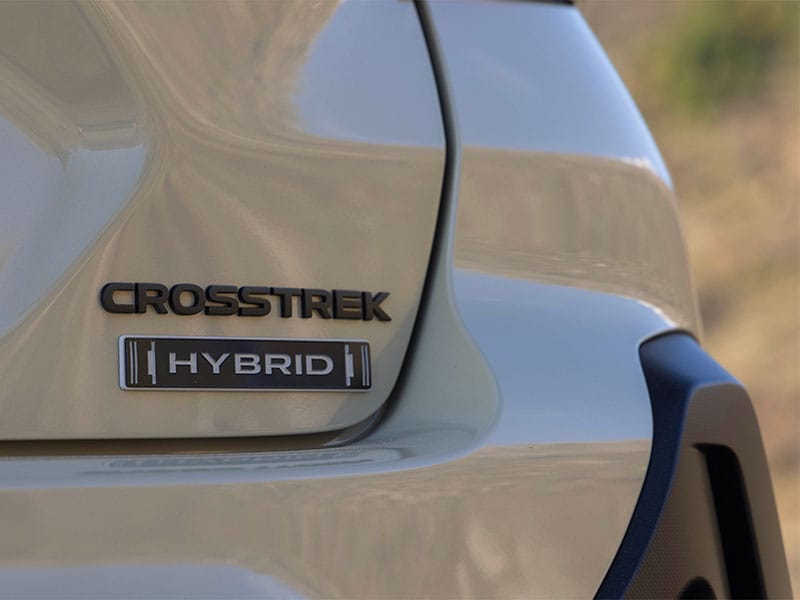
Hybrid models combine an internal combustion engine with electric assistance. This allows for longer driving range and quick refueling. Hybrids behave more like traditional vehicles, which can feel familiar to many drivers.
- EVs: instant torque, low noise, fewer moving parts
- Hybrids: extended range, rapid refueling, familiar operation
Interior amenities and cabin experience
Both powertrains share Subaru's focus on visibility, upright seating, and clear controls. Displays are designed to be readable at a glance, and physical controls remain available for common functions.
EV layouts often benefit from flat floors, which can improve rear-seat comfort and storage flexibility. Hybrid layouts retain traditional packaging while adding energy monitoring displays that help drivers understand efficiency without distraction.
Charging, fueling, and infrastructure
Charging access is the biggest difference between EV and hybrid ownership. EVs work best when Level 2 home charging is available. The U.S. Department of Energy outlines EV charging considerations at energy.gov.
Hybrids do not require charging infrastructure. Fueling remains fast and widely available, which can be important for households with unpredictable schedules.
Cold weather considerations
Connecticut winters affect both powertrains. EV range can decrease in cold temperatures, while hybrids may rely more heavily on the gas engine. Planning with realistic buffers helps avoid surprises.
Understanding how efficiency is measured helps set expectations. The EPA explains vehicle testing methods at fueleconomy.gov.
Maintenance and long-term ownership
EVs generally reduce routine maintenance due to fewer moving parts. Hybrids still require engine maintenance but often reduce fuel use. Subaru designs both systems for durability and long service life.
Key questions families should ask
- How far do we drive most days?
- Can we install home charging?
- How long do we keep our vehicles?
- Which amenities matter most?
It come down to matching the vehicle to real use. When chosen correctly, either a Subaru EV or hybrid can deliver more then efficiency alone, including comfort, stability, and confidence over many years of ownership.
Planning for changing needs
Many households see driving patterns change over time. Subaru's EV and hybrid options allow flexibility without abandoning familiar controls or safety systems. This adaptability supports long-term ownership decisions.
Fuel prices, energy costs, and commute lengths can shift. Choosing a powertrain that aligns with flexibility rather than extremes helps families adapt without replacing vehicles prematurely.