


2026 Subaru Trailseeker Pricing, Trims, and AWD Capability Explained
The 2026 Subaru Trailseeker is Subaru's most important electric SUV so far. With pricing now officially announced, buyers in Middlebury can finally evaluate the Trailseeker using real numbers instead of estimates. As with most Subarus, the value is not defined by the starting price alone. It is defined by what comes standard, how the trims are structured, and how the vehicle performs in daily driving.
Subaru does not build entry trims that feel incomplete. The Trailseeker follows this approach closely. Core capability is built into the vehicle from the start. That includes all-wheel drive, structural safety systems, and stability-focused tuning. These choices influence pricing, but they also reduce long-term compromise.
How Trailseeker pricing is structured
Trailseeker trims are designed to add comfort and convenience rather than basic capability. Buyers do not need to step up trims just to gain traction or safety features. This is consistent with Subaru's long-standing design philosophy.
- Dual-motor all-wheel drive standard on all trims
- Advanced driver assistance systems active in normal driving
- Clear outward visibility and upright seating position
- Battery and drivetrain coverage aligned with Subaru ownership
Looking beyond the purchase price
Electric vehicles often cost more upfront than gas models. Over time, ownership costs can balance that difference. Charging is usually less expensive than fuel, and EVs eliminate oil changes and many routine services. The U.S. Department of Energy explains electric vehicle basics at afdc.energy.gov, which is a useful starting point.
Cold weather affects efficiency, especially in New England. Understanding how range is tested helps set realistic expectations. The EPA explains its testing process at fueleconomy.gov.

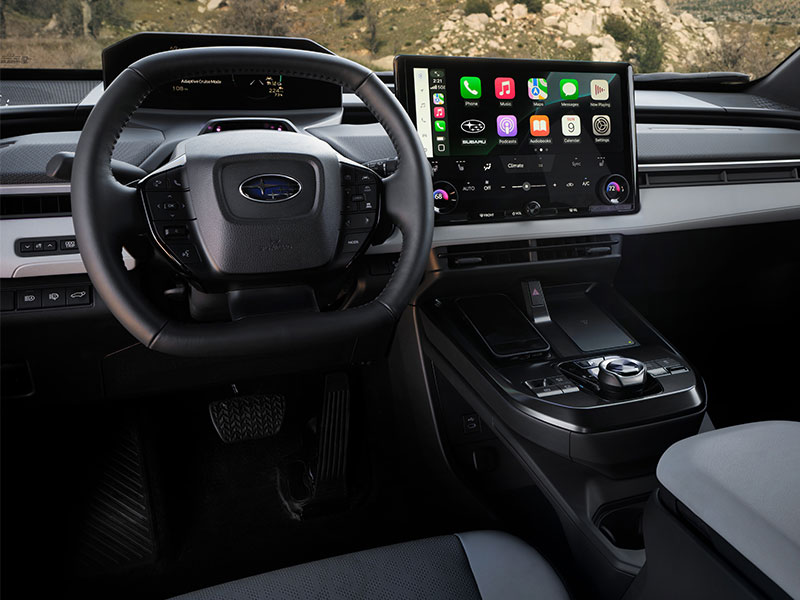
How the Trailseeker fits Middlebury driving
Middlebury drivers see a mix of local roads, highways, hills, and winter conditions. The Trailseeker is tuned for calm responses rather than aggressive behavior. Steering is predictable, and suspension tuning favors control over sharpness. This helps reduce fatigue during longer drives.
The battery placement lowers the center of gravity, which improves stability. This is noticeable when cornering or driving in poor weather. Power delivery is smooth, making traction easier to manage on wet or uneven pavement.
How to compare Trailseeker trims intelligently
Buyers should compare trims based on daily use, not appearance alone. Comfort features matter more for long-term satisfaction than wheel size or styling packages. Narrowing choices to two trims usually makes the decision clearer.
Questions buyers should ask before committing
- Which trims are arriving first at the dealership?
- What winter driving range should be planned for?
- Is Level 2 home charging realistic?
- Which features are standard across all trims?
Theres a reason Subaru pricing can appear conservative on paper. Over long ownership cycles, consistency and predictability matter more then short-term comparisons. The Trailseeker is designed for drivers who plan to keep their vehicle and use it year after year.
Ownership expectations over five years
Families who keep vehicles long term often value consistency more than novelty. The Trailseeker is designed to behave the same way year after year. That predictability reduces learning curves and lowers ownership stress. It also supports resale value and long-term satisfaction.
This long-term focus aligns well with Subaru's historical owner base, which tends to keep vehicles longer than average. That ownership pattern influenced many Trailseeker design decisions.